
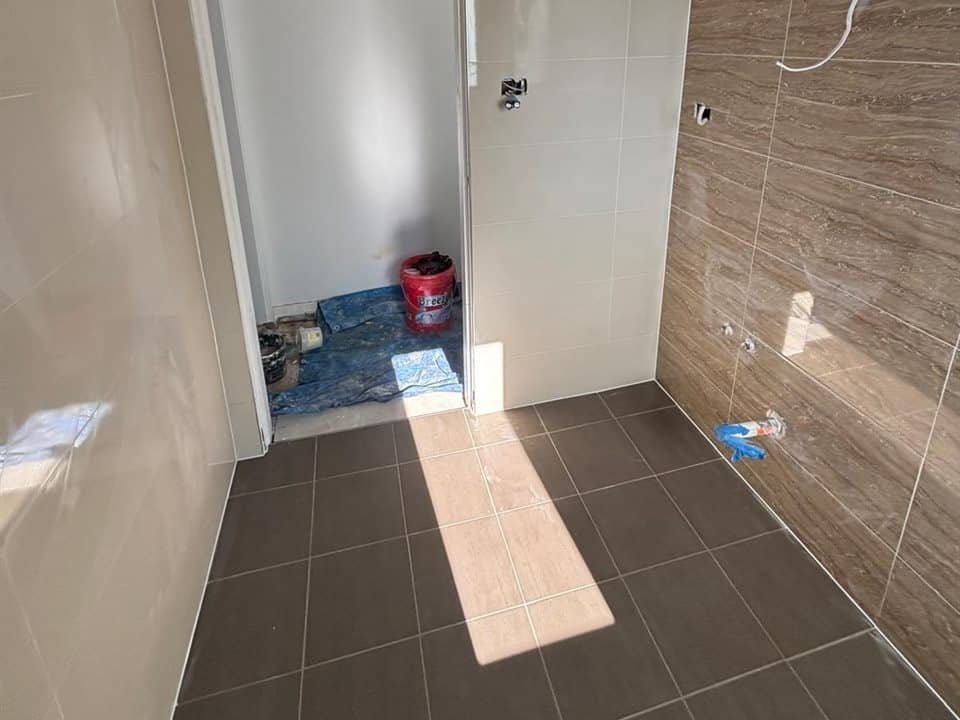
Why Bathroom Leaks Often Appear at Doorways and Adjacent Walls
Water stains by the bathroom door don't always mean the leak is there. Learn how water travels under tiles, what causes it, and how it's properly repaired.

A damp patch beside the bathroom door or a swollen skirting board usually leads to one question: why is the leak showing up there when the shower is across the room?
Water rarely stays where it starts. It can travel beneath tiles, through a failed waterproofing membrane, along floor and wall junctions, or through gaps around the door threshold before it becomes visible. Doorways and adjacent walls often show it first because that’s where the wet area ends and absorbent plasterboard, timber and carpet begin. The visible damage may be some distance from the source.
If you’ve started searching for bathroom waterproofing Sydney specialists after spotting a damp doorway, this guide explains what may be happening and how it’s properly repaired.
Free bathroom inspection
Noticed Water Damage Around Your Bathroom Doorway?
Sydney One Waterproofing offers free bathroom inspections to help identify potential waterproofing issues. Get a professional assessment before the damage spreads.
Common Causes of Bathroom Doorway Water Leaks
It’s common to find more than one of these at once.
Failed or Deteriorated Waterproofing Membrane
The bathroom waterproofing membrane is the layer under your tiles that keeps water inside the wet area. Age, movement, poor installation or damage during later work can leave it cracked, thin or debonded. Water that then passes through the grout spreads sideways and down.
Poorly Detailed Door Thresholds
The doorway is a weak point, especially in older bathrooms. AS 3740, the Australian Standard for waterproofing domestic wet areas, includes requirements for how the waterproofing is finished at the bathroom entry, usually with a waterstop that the membrane is sealed to. Where this detail is missing or poorly done, water on the floor can run under the tiles and into the hallway.
Wall-to-Floor Junctions and Upturns
The floor and wall junction moves more than any other part of the room, so the membrane should be reinforced there and turned up the wall (an upturn). Short or missing upturns let water reach the bottom of the wall lining, where it soaks into the next room.
Showers, Seals and Silicone
Perished silicone, a damaged screen seal or a shower that splashes past its hob can all put water where it shouldn’t be. Shower leak repair sometimes starts here, but resealing won’t fix a membrane that has already failed underneath.
Grout, Tiles and Plumbing
Grout isn’t waterproof, so cracked grout and loose tiles let more water reach the membrane. They’re a common contributor, not always the cause. A weeping supply pipe, waste pipe, or concealed fitting can also soak a wall even when the waterproofing is sound, and that’s a job for a licensed plumber.
Falls, Drainage and Movement
When waterproofing bathroom floors, falls and drainage matter as much as the membrane. If the floor doesn’t fall to the waste, or the drain isn’t sealed to the membrane, water sits and finds the weakest point, often towards the door. Movement cracks and ageing add to this over time.
How Water Travels From the Leak to the Doorway
Most tiled floors sit on a porous sand and cement bed or screed. Water below the tiles spreads through it and follows the slab, which doesn’t always slope the same way as the tiles.
Plasterboard, skirting, door jambs and carpet then draw moisture along by capillary action, which is why bathroom wall water damage can appear higher up or further along than expected. In apartments, water can also travel down through slab penetrations and appear on a ceiling below, sometimes in a different room.
The exact pathway depends on the building’s construction and the source of the moisture.
Surface Water, Plumbing Leak or Membrane Failure?
These can look identical from the hallway:
- Surface water escapes over the threshold or past the screen and shows at floor level near the door.
- Plumbing leaks from supply lines continue whether or not anyone has showered; waste leaks show when water drains.
- Bathroom membrane failure lets water past the tiles and membrane, and the damp often lingers long after use.
Visible dampness alone can’t confirm membrane failure, and condensation in a poorly ventilated bathroom can cause peeling paint and mould too. Finding the source first means you pay to fix the problem, not the symptom.
Warning Signs of Bathroom Waterproofing Problems
- Damp or discoloured walls beside the bathroom
- Swollen door frames, skirting boards or adjoining flooring
- Peeling paint, bubbling finishes or damaged plasterboard
- Mould or a musty smell that keeps returning
- White mineral deposits (efflorescence) on grout or masonry
- Loose tiles, cracked grout or deteriorated silicone
- Water appearing outside the bathroom after showering
- Damp ceilings or stains in the room below
- Moisture that persists around the shower, bath or entrance
Any one of these is a reason to investigate, not a diagnosis on its own.
Minor Maintenance or Full Bathroom Waterproofing Repairs?
Some fixes are genuinely small: new silicone, a new screen seal, regrouting, or a plumber repairing a leaking fitting. These can solve surface water and plumbing problems. Grout sealers and surface treatments, however, sit on top of the tiles and can’t reliably repair a failed membrane underneath.
Can It Be Fixed Without Removing Tiles?
Sometimes. It depends on tile adhesion, substrate condition, whether the membrane is intact, moisture levels, drainage, threshold detailing, and whether a proposed system suits what’s already there. A localised problem over a sound membrane may suit a targeted repair. A failed membrane, saturated bedding or missing threshold detail usually means removing tiles in the affected area and re-waterproofing. Only an on-site assessment can tell you which applies.
How a Professional Bathroom Leak Inspection Works
A typical bathroom leak repair Sydney property owners can expect follows these steps:
- Inspect the visible damage and trace the likely source.
- Check the shower, threshold, junctions, floor waste and plumbing connections.
- Take moisture readings and run targeted tests where needed.
- Confirm whether it’s plumbing, sealing, drainage or waterproofing, referring plumbing faults to a licensed plumber.
- Remove tiles and damaged materials where required.
- Repair and prepare the substrate.
- Apply a suitable membrane, detailing junctions, upturns, drains and the threshold to the applicable requirements, including AS 3740.
- Allow curing and complete quality checks before tiling or returning the bathroom to use.
At Sydney One Waterproofing, an inspection and moisture check come before any quote, and completed bathroom waterproofing includes a compliance certificate, a 10-year written workmanship warranty and the manufacturer’s product warranty. A workmanship warranty covers the work carried out. It isn’t a guarantee against existing building defects, plumbing faults or unrelated damage.
Professional bathroom waterproofing done this way protects adjoining rooms, reduces repeat repairs and limits the damp conditions mould thrives in.
Bathroom Waterproofing Sydney: Local Conditions to Consider
Humid summers and weak exhaust fans keep surfaces damp for longer, which can hide or mimic a leak. Many older Sydney homes and apartments also have original bathrooms waterproofed to older practices, or not at all.
Heavy rain can expose separate problems, such as a leaking window or adjoining balcony, that look like a bathroom leak. Internal leaks happen regardless of the weather and should be investigated on their own merits.
Bathroom Leaks in Apartments and Strata Buildings
In multi-storey buildings, a leaking bathroom floor can damage the unit below, common property and neighbouring walls, so act quickly. Photograph the damage, note when it appears, and tell your strata manager or the affected owner early. Responsibility for repairs can depend on the strata plan, by-laws and past renovations, so clarify it before work starts.
What Affects Bathroom Waterproofing Costs
- Source and severity of the leak, and whether plumbing repairs are needed
- How far the water damage has spread
- Whether tiles need to be removed
- Condition of the substrate and existing membrane
- Bathroom size and layout
- Complexity of doorway, shower and wall-junction detailing
- Replacing tiles, wall linings, flooring or other finishes
- Access and coordination in strata properties
We inspect for free and provide a written quote before any work begins.
Bathroom Leak FAQs
It may be surface water escaping over the threshold, or water getting under the tiles and travelling to the doorway. An inspection tells you which.
Sometimes, if the problem is localised and the membrane, tiles and substrate are sound. If the membrane has failed, re-waterproofing the affected area is usually the lasting fix.
Not from the surface alone. Damp walls, loose tiles, and stains below are warning signs, but plumbing leaks and condensation cause similar damage. Moisture testing and an inspection narrow it down.
Yes, but they aren’t always the whole story. The membrane, plumbing and drainage may also need checking.
It depends on the cause, extent of damage, whether tiles come up, and the bathroom’s size. We inspect for free and provide a quote in writing.
Waterproofing typically takes one to two days on site, plus 24 to 48 hours of curing before tiling. Jobs needing tile removal or plumbing work first take longer.
Book a Bathroom Leak Inspection
If you’ve noticed damp near your bathroom door or on an adjoining wall, finding the source early usually keeps the repair more contained. Sydney One Waterproofing provides bathroom waterproofing Sydney-wide from our base in Fairfield East.
Call 0470 300 561 or request a quote online, and a licensed waterproofer will inspect your bathroom and set out your options in writing before any work starts.
